
Drape · 4 min read
Three ways to drape a Kanjivaram
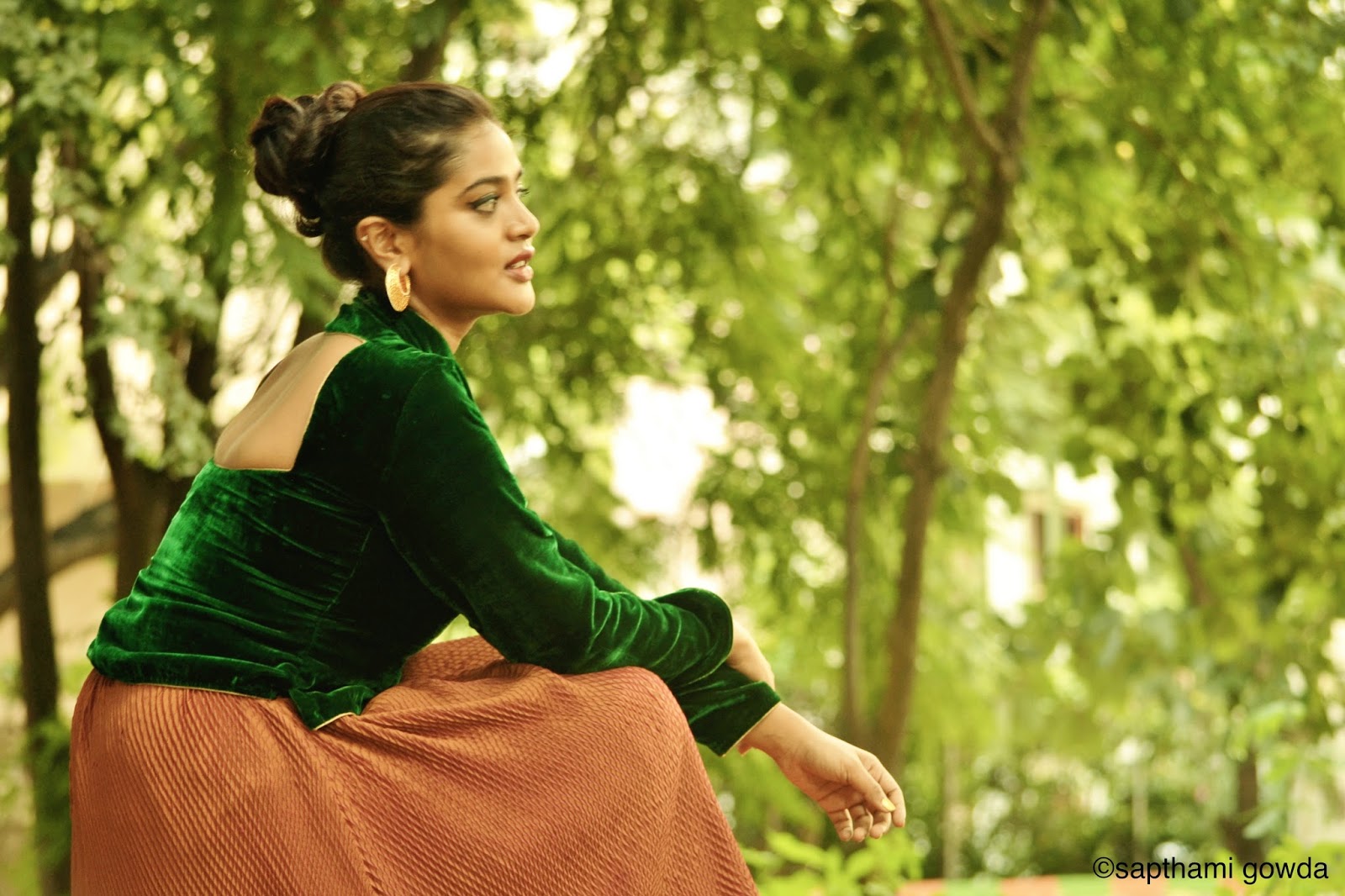
The classic Nivi, the regal Kashta, and a modern way our customers love. With photos.
A Kanjivaram is heavier than most silks, and that weight is the whole secret. It holds a pleat the way a good coat holds a shoulder. Once you understand that, draping stops being a struggle and becomes a conversation with the fabric.
The Nivi is where everyone begins, and where most people stay. Tuck at the navel, five to seven pleats fanned to the left, then the pallu over the left shoulder. With a Kanjivaram, make your pleats slightly wider than you would with a chiffon — narrow pleats in heavy silk look crowded and refuse to fall straight.
The Kashta, the Maharashtrian nine-yard drape, turns the saree into something closer to trousers. It was made for movement, for riding and working, and it still carries that confidence. It needs a longer saree and a little patience the first three times. After that your hands remember.
The third is the one our customers keep sending us photographs of: a Nivi base with the pallu pleated narrow, pinned flat at the shoulder, and left to fall behind rather than draped across the arm. It reads clean and almost architectural, and it lets a temple border do all the talking.
Whichever you choose, one rule holds. Let the saree hang overnight before you wear it. Silk that has been folded in a cupboard needs a few hours to remember its own length.